
Iran–US Conflict History Explained (2002–2026) on next page
1. Introduction: How This Conflict Started
Iran US conflict 2026 did not begin with the February airstrikes. The roots of the current crisis stretch back more than seventy years. To understand why tensions escalated into direct confrontation, we need to look at the historical events that shaped this rivalry.
This conflict is not just about nuclear weapons or recent threats. It is a story of how two nations went from being close partners to bitter enemies. By tracing the history from 1953 to 2002, we can see how each decade added a new layer of distrust, eventually making a peaceful solution much harder to find.
2. How the 1953 Coup Shaped Iran US Conflict 2026
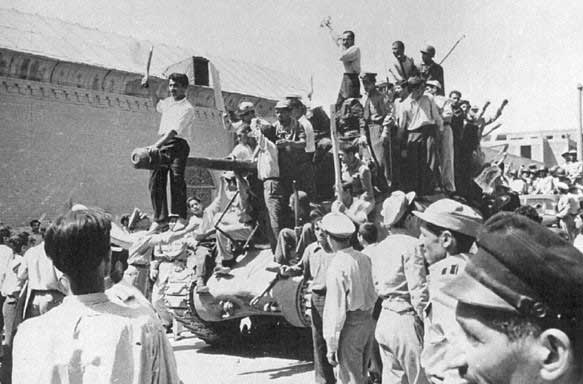
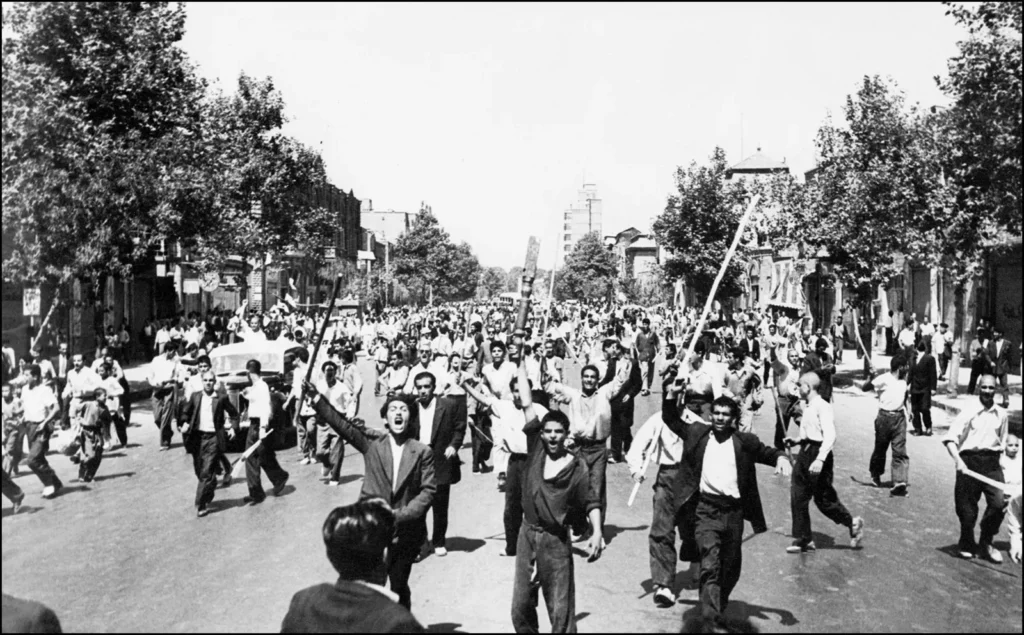
The roots of the modern conflict began in 1953. At that time, Iran was a democracy led by Prime Minister Mohammad Mosaddegh. He was a popular leader who decided to “nationalize” Iran’s oil. This meant taking control of the oil industry away from a British company and giving it back to the Iranian people.
The British government was unhappy with this move, and the United States feared that Iran might move closer to the Soviet Union during the Cold War. In response, the CIA and British intelligence organized a coup to remove Mosaddegh from power. They replaced the democratic government with a monarch, Shah Mohammad Reza Pahlavi.
While the U.S. saw this as a way to protect oil supplies and stop communism, many Iranians saw it as a betrayal. It taught a generation of Iranians that the U.S. would interfere in their country to protect its own interests. This event created a deep, permanent scar in the Iranian political memory.
3. The Shah and His Alliance with the U.S.
For the next 25 years, the Shah was one of America’s closest allies. With U.S. help, he turned Iran into a powerful, wealthy, and modern country. The U.S. sold Iran its most advanced weapons, and the Shah acted as a “policeman” in the Persian Gulf to keep order and ensure oil kept flowing to the West.
However, there was a problem. While Iran was becoming more modern on the surface, the Shah’s government was very strict and often used force to stop people from complaining. Many Iranians began to see the Shah as a “puppet” who did whatever the U.S. wanted. The support from Washington became a primary grievance for the internal opposition.
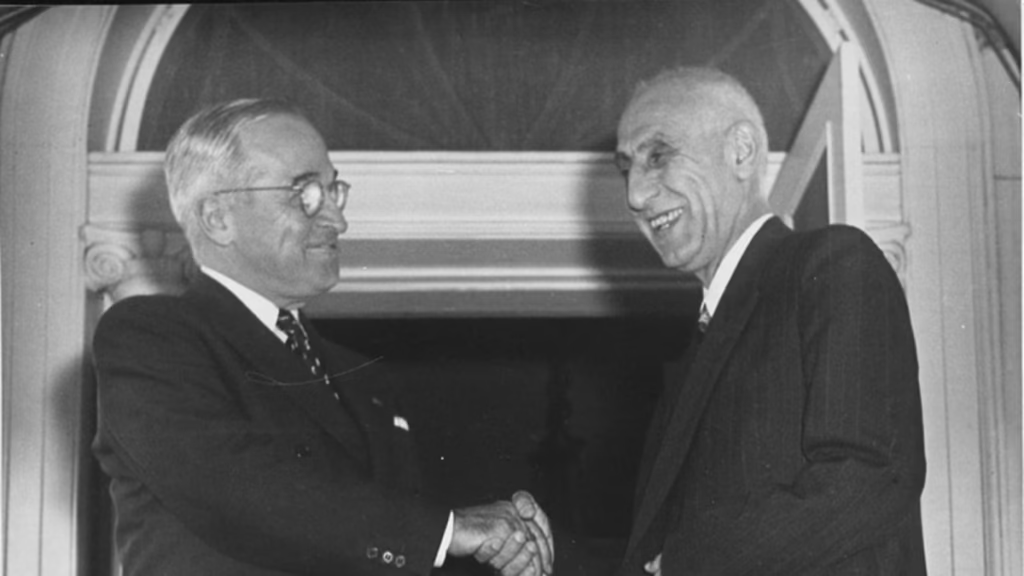
4. 1979: The Revolution and the Embassy Crisis
In 1979, the anger against the Shah finally boiled over. A massive revolution took place, and the Shah was forced to leave the country. A religious leader named Ayatollah Khomeini became the new head of Iran. He changed the country from a pro-Western monarchy into an “Islamic Republic.“
The relationship between the two countries completely broke down during the “Hostage Crisis.” Shortly after the revolution, a group of Iranian students took over the U.S. Embassy in Tehran. They held 52 Americans captive for 444 days.
Deep Dive: To understand how this historical tension turned into direct military confrontation, read our full breakdown of the 2026 Tehran strikes.
5. Why Relations Completely Broke Down
After 1979, the two countries stopped speaking directly to each other. They closed their embassies and ended all formal diplomatic ties. Since they no longer had a way to talk through their problems, they began to use threats and force instead.
For the U.S., Iran became a country that supported terrorism and ignored international rules. For Iran, the U.S. became a bully that wanted to overthrow their new government just like they did in 1953. This complete lack of trust meant that even small problems often turned into major crises.
6. The Iran–Iraq War and U.S. Involvement
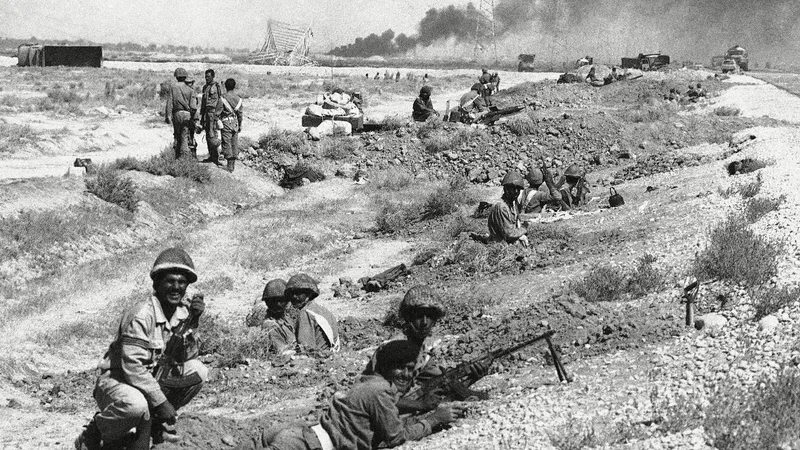
In 1980, Iraq invaded Iran, starting a war that lasted eight years. It was one of the deadliest wars of the 20th century. During the war, the U.S. remained officially neutral but provided intelligence and help to Iraq because it did not want Iran to win and spread its revolution.
Toward the end of the war, the U.S. and Iran had small naval battles in the Persian Gulf. In 1988, a U.S. Navy ship accidentally shot down an Iranian civilian airplane, killing 290 people. This war convinced Iran that it could never win a normal war against the U.S., so it began to look for other ways to fight.
7. How Iran Built Its Regional Network
Because Iran’s regular military was weakened by the war and international sanctions, they developed a new strategy. Instead of fighting other countries directly, they began to support “proxies”—friendly groups in other countries that shared their goals.
By helping groups like Hezbollah in Lebanon, Iran could influence events in the Middle East and attack its enemies while maintaining “plausible deniability.” Over time, this network grew to include groups in Iraq, Yemen, and Syria, creating a layer of protection around Iran’s borders.
8. What the Situation Looked Like by 2002
By 2002, the U.S. and Iran were locked in a silent confrontation. They were not fighting openly, but they were actively working against each other across the region. The discovery of Iran’s secret nuclear facilities that same year would transform this shadow rivalry into a global crisis — one that would dominate the next two decades.
| Year | Event | Impact on the Conflict |
| 1953 | CIA-Backed Coup | Removes democratic PM Mosaddegh; restores the Shah. Creates long-term Iranian distrust of the U.S. |
| 1953–1978 | The Shah’s Rule | Iran becomes a key U.S. ally and “policeman” of the Gulf. Internal resentment grows against U.S. influence. |
| 1979 | Islamic Revolution | The Shah is overthrown; Ayatollah Khomeini establishes a theocracy. Relations with the West are severed. |
| 1979–1981 | Embassy Hostage Crisis | 52 Americans held for 444 days. The U.S. cuts all formal diplomatic ties with Iran. |
| 1980–1988 | Iran–Iraq War | Deadly eight-year conflict. U.S. support for Iraq and the 1988 downing of an Iranian airliner deepens the rift. |
| 1982–1983 | Rise of Hezbollah | Iran begins building its regional proxy network in Lebanon to pressure U.S. interests indirectly. |
| 1990s | The Shadow War | Era of “containment.” U.S. imposes sanctions while Iran expands its influence through regional partners. |
Continue Reading : Iran–US Conflict History Explained (2002–2026): Nuclear Crisis to Tehran Strikes
Table of Contents
Frequently Asked Questions
Why did the U.S. support the 1953 coup in Iran?
The United States supported the 1953 coup because it feared Iran might fall under Soviet influence during the Cold War. It also wanted to protect Western access to Iranian oil. However, this decision deeply damaged trust between the two countries and shaped future tensions.
Why did Iran turn against the U.S. in 1979?
Iran’s 1979 revolution was driven by anger against the Shah and his close ties to the United States. Many Iranians believed the U.S. had interfered in their politics since 1953. The embassy hostage crisis later turned this anger into a permanent diplomatic break.
When did Iran and the U.S. stop diplomatic relations?
The two countries cut formal diplomatic ties in 1980 after the hostage crisis. Since then, they have had no official embassies and communicate only through intermediaries like Switzerland or Oman.
How did proxy groups change the conflict?
Instead of fighting directly, Iran began supporting regional groups like Hezbollah. This allowed Iran to influence the region and pressure U.S. allies without starting a full conventional war.
Was the conflict already serious before the nuclear issue?
Yes. By 2002, the U.S. and Iran were already locked in a long shadow conflict involving sanctions, proxy groups, and regional competition. The nuclear issue simply made the confrontation global.