
Over the last few weeks, Cockroach Janta Party (CJP) has somehow turned into one of the most talked-about trends on the Indian internet. What started as a random meme quickly exploded into a full online movement filled with satire, relatable frustration, and the kind of humor only Indian social media can create.
At first, people treated it as just another joke. But the reason it spread so fast was because almost everybody instantly understood the feeling behind it.
Whether it’s hostel students dealing with broken facilities, young professionals adjusting to chaotic city life, or people constantly struggling with poor management and ignored complaints, the meme started reflecting problems that already felt normal in everyday life. That’s why people connected with it so deeply.
Slowly, the trend stopped being “just about cockroaches.” Instead, it became a funny way of talking about much bigger issues — poor infrastructure, careless systems, endless delays, lack of accountability, and the classic “adjust kar lo” culture that young people are tired of hearing.
According to government sanitation and urban development reports, poor waste management and weak maintenance systems continue to remain major problems across many Indian cities.
And honestly, that shift is what made CJP feel bigger than a normal meme.
The internet turned a ridiculous joke into a shared language for frustration. Instead of complaining seriously, people started using humor, sarcasm, edits, fake political posters, and memes to express the exact same emotion: the feeling that chaos somehow always survives longer than common sense.
That’s what made the trend hit differently. Behind all the jokes, people saw a version of their own reality.
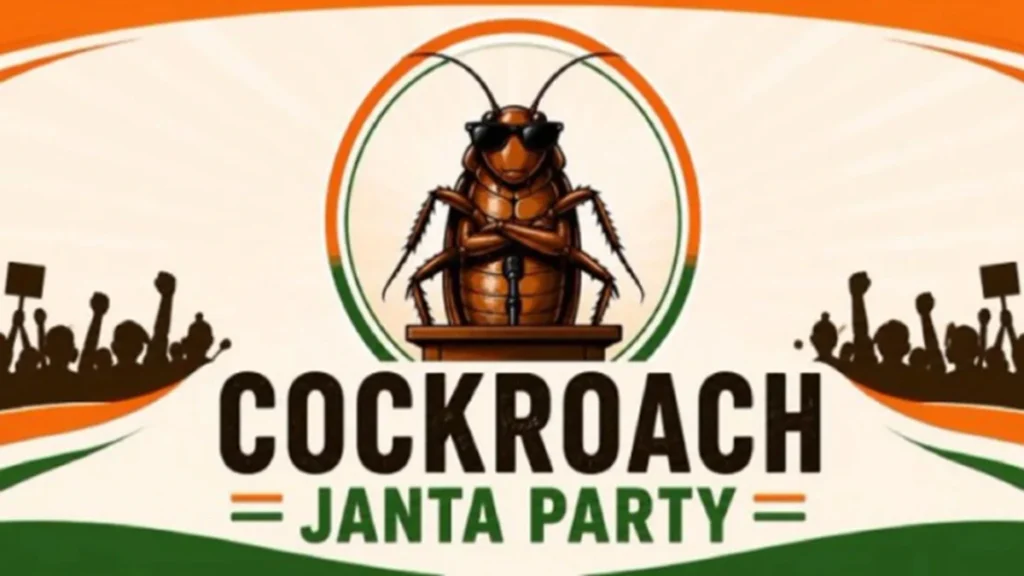
How This Whole CJP Thing Started?
The recent rise of the Cockroach Janta Party started after viral online discussions linked to a judge’s remark and wider internet frustration about living conditions in hostels and rented spaces. Around the same time, memes about cockroach “takeovers” began exploding online.
People started joking that:
“The kitchen doesn’t belong to humans after midnight anymore.”
Soon after, creators began making fake:
- party posters,
- election speeches,
- manifestos,
- press conferences,
- and “breaking news” videos featuring cockroaches.
Classic Indian internet behavior. Give us one meme template and we’ll build an entire cinematic universe around it.
What made the trend different from regular memes was how fast people connected with it. The joke didn’t feel random. It felt painfully realistic.
Why Gen Z Connected With This Meme So Quickly
The CJP trend became popular because it reflected a very real problem in a funny way.
A huge number of students and young professionals already deal with:
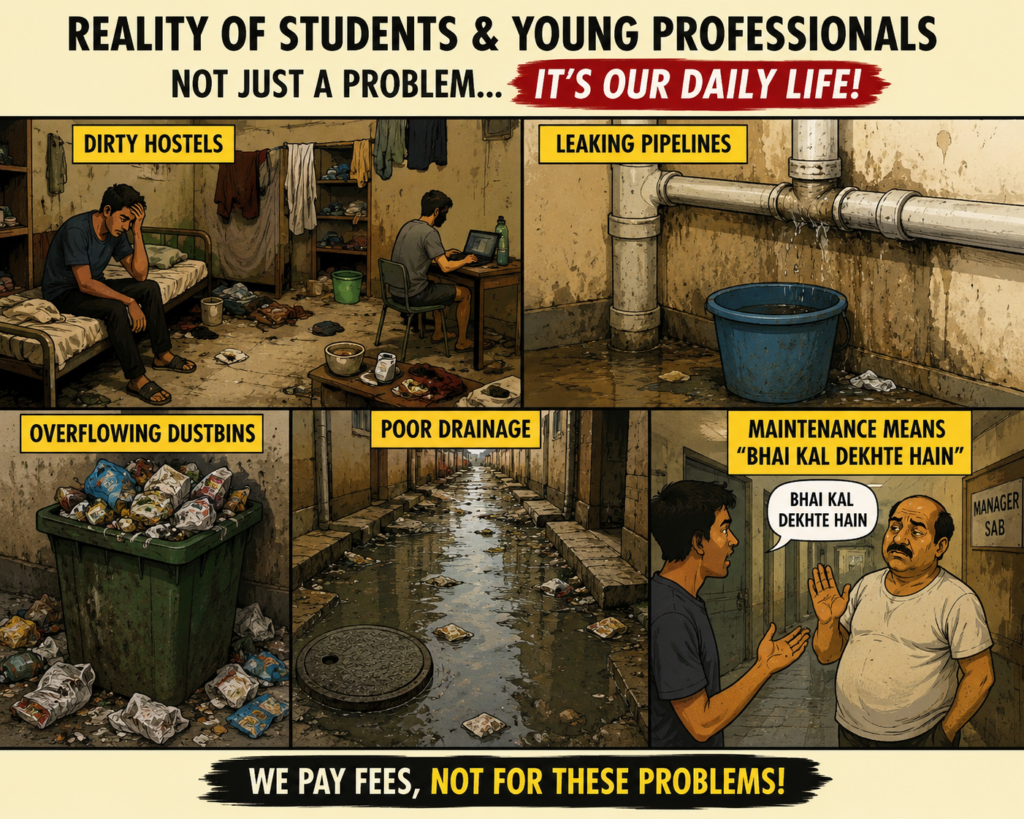
dirty hostels,
leaking pipelines,
overflowing dustbins,
poor drainage,
and buildings where maintenance basically means “bhai kal dekhte hain.”
So when people started joking that cockroaches had “formed their own government,” the satire landed immediately.
For many students, especially hostel students, the memes honestly felt less like comedy and more like live reporting.
Anyone who has walked into a dark kitchen at 2 AM and seen one cockroach standing confidently in the center like he owns the property understands exactly why this trend exploded.
The “Ideology” of the Cockroach Janta Party
As the trend grew, people started creating an entire fictional ideology around the CJP. According to internet lore, the party stands for:
- freedom of drain movement,
- equal access to kitchen resources,
- anti-Hit spray policies,
- and “nighttime food rights.”
The memes became funnier because they copied real political language. Suddenly people were talking about:
- “CJP youth wing,”
- “under-sink coalition,”
- “kitchen governance,”
- and “territorial control.”
But underneath all the humor, the satire was actually pointing at something real: how easily neglected spaces become impossible to control.
That’s why the joke survived longer than normal meme trends.
How we all Accidentally Became the CJP’s Biggest Supporters
The funniest part about the whole CJP trend is that people connected with it almost instantly — not because of cockroaches, but because it reflected everyday frustration that everyone quietly deals with.
Whether it’s students living in hostels, people staying in PGs, or young professionals managing life in crowded cities, most people already feel stuck in systems where basic problems never really get fixed. Broken facilities, ignored complaints, poor maintenance, endless delays, and the classic “bhai kal dekhte hain” attitude have become such a normal part of life that people don’t even get surprised anymore.
That’s why the meme spread so fast. Deep down, people weren’t laughing at insects — they were laughing at how relatable the entire situation felt.
The Cockroach Janta Party became a funny way of expressing a very real feeling: sometimes it genuinely feels like chaos is more organized than the people managing things.
And honestly, that’s what made the trend hit so hard online. Almost everyone had their own version of the story — a hostel issue nobody fixed, a complaint that got ignored for months, or a place where problems became “normal” because nobody expected improvement anymore.
The meme became popular because it reflected frustrations people already deal with every day. how the system has always just fooled the common man.
Some People Weren’t Angry at the Meme — They Were Angry at the Unity Behind It
What really made the CJP trend controversial was not the joke itself, but the way Gen Z connected with it so quickly. Normally, internet trends come and go without much impact. But this one felt different because young people across colleges, hostels, workplaces, and social media all started relating to the same frustration at the same time.
For many people, the meme became a symbol of speaking up against things that are usually ignored. Whether it is poor systems, outdated attitudes, lack of accountability, or the constant pressure to “just adjust,” a lot of Gen Z users saw the trend as a funny but honest reflection of real life. And because everyone was reacting together, it suddenly looked less like random internet humor and more like collective frustration finding a voice.
That is where the backlash started.
Some people were uncomfortable seeing young people unite so openly online, even if it was through satire and memes. The concern was not really about the content itself. It was about the fact that Gen Z was showing how easily it can organize attention, shape conversations, and question things publicly. A generation that is often dismissed as distracted or unserious suddenly looked socially aware and emotionally connected.
For years, many young people have felt that speaking up changes nothing. So they turned to humor instead. But humor spreads fast, and once enough people relate to the same joke, it slowly stops feeling like “just a joke.” That is exactly what happened with CJP. Behind the memes and sarcasm was a very real feeling shared by millions of young people who are tired of being told to stay quiet, adjust, and accept everything as normal.
Why People Compared It With Gen Z Protest of Nepal
Interestingly, many internet users began comparing the CJP meme movement with Gen Z protest culture seen in countries like Nepal. Interestingly, internet-driven narratives and meme culture are now shaping discussions far beyond comedy. You can also read our detailed breakdown of the Iran–US conflict history and how online narratives influence modern geopolitics.
Not because the situations are identical — obviously they aren’t — but because both relied heavily on:
- memes,
- humor,
- online community culture,
- and frustration with systems.
Modern Gen Z movements rarely begin with formal speeches anymore. They usually begin with:
- jokes,
- edits,
- sarcasm,
- viral posts,
- and internet humor.
That’s exactly how the CJP trend spread too.
The meme started funny, became relatable, and slowly turned into commentary on urban life and public systems.
The Craziest Part? This Trend Might Keep Growing
Honestly, the reason this trend keeps surviving is because people are no longer treating it like a random joke. It has slowly become a way for young people to express frustration about things they deal with every single day.
Right now, the meme may be centered around the idea of the “Cockroach Janta Party,” but the conversation around it has already grown much bigger. People are using it to talk about ignored problems, broken systems, poor management, and the feeling that nobody listens until something becomes impossible to ignore online.
And that’s exactly why the trend still feels alive.
Every generation has its own way of protesting frustration. Earlier generations used speeches, newspaper columns, or street protests. Gen Z uses memes, sarcasm, reels, and internet culture. That doesn’t make the emotion fake — it just changes the format.
The reason CJP spread so quickly is because millions of people instantly understood the feeling behind it. It captured the exhaustion of constantly adjusting, staying quiet, and being expected to normalize things that obviously shouldn’t be normal anymore.
As long as people continue feeling unheard, these kinds of trends will continue growing beyond simple entertainment. The meme may change form, the jokes may evolve, and the internet may move on to new formats, but the underlying frustration that made CJP viral is still very real.
Why This Trend Connected With So Many People
At its core, the CJP trend worked because it didn’t feel manufactured. Nobody officially launched it. No celebrity campaign pushed it. No company tried to market it. It simply exploded because people genuinely related to the emotion behind it.
That’s what made it powerful.
The trend became a shared internet language for talking about problems people usually laugh off instead of seriously discussing. And once enough people started reacting together, it stopped looking like “just another meme” and started feeling like a reflection of how an entire generation thinks.
Honestly, that is what modern Indian internet culture looks like now. Humor is no longer only for entertainment — it has become a way for people to express frustration, disagreement, exhaustion, and even resistance without turning everything into a serious political argument.
And maybe that’s why the CJP trend hit differently.
Behind all the jokes and sarcasm was a simple message a lot of young people quietly agreed with:
people are tired of pretending broken things are normal.
Frequently Asked Questions (FAQs)
Is the Cockroach Janta Party a real political party?
No. The Cockroach Janta Party (CJP) is completely fictional and exists as internet satire and meme culture.
Why did the CJP trend become so popular?
The trend became popular because it reflected real urban problems in a funny and relatable way, especially for hostel students and people living in rented spaces.
Did the trend start after a real incident?
Yes. The meme gained momentum after online discussions connected to public remarks and frustrations about living conditions and pest problems.
Why are people comparing it with Gen Z protest culture?
Because both rely heavily on internet humor, memes, sarcasm, and online participation to express frustration with larger systems.
Is the CJP trend only about cockroaches?
Not really. Over time, the joke became satire about poor infrastructure, urban hygiene, hostel life, and maintenance problems in cities.
Will the Cockroach Janta Party trend die soon?
Probably not immediately. As long as people continue relating to the joke and creating new variations, the trend will likely continue evolving online.