
Iran–US Conflict History Explained (1953–2002) in Previous page
1. Introduction: The Nuclear Issue Begins
Iran US conflict 2026 is the result of more than two decades of rising nuclear tension, economic pressure, and failed diplomacy. While the February 2026 Tehran strikes shocked the world, the crisis did not appear overnight.
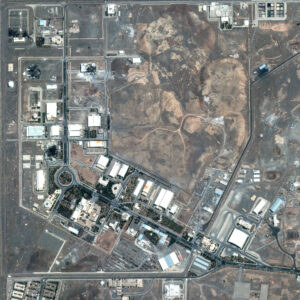
Iran nuclear centrifuges
From the discovery of secret nuclear sites in 2002 to the collapse of the 2015 nuclear deal and the killing of General Qassem Soleimani, each stage pushed both countries closer to open confrontation. This page explains how the nuclear dispute slowly removed diplomatic options and transformed a shadow rivalry into a direct military crisis.
2. How the 2002 Nuclear Discovery Escalated Iran US Conflict 2026
In 2002, the world learned about secret nuclear facilities at a place called Natanz. This shocked the world. Iran claimed it only wanted nuclear power for electricity, but the U.S. and its allies believed Iran was secretly trying to build a weapon as an “insurance policy.”
3. The 2003 Iraq War and Why It Helped Iran
In 2003, the U.S. invaded Iraq and removed Saddam Hussein. Ironically, this helped Iran. Saddam had been Iran’s biggest enemy; with him gone, Iran was able to move into Iraq and build strong ties with the new government. This removed the main barrier to Iranian influence, allowing Tehran to project power all the way to the Mediterranean Sea.
4. Sanctions: Pressure on Iran’s Economy
To stop the nuclear program, the U.S. placed heavy “sanctions” on Iran, stopping it from selling oil or using global banks. Iran responded with a “Resistance Economy.” This means they learned to make goods at home and trade with countries like China to survive. While the economy suffered, the government did not collapse.
5. The 2015 Nuclear Deal (JCPOA)
After years of tension, both sides reached a deal in 2015. Iran agreed to limit its nuclear activities in exchange for the lifting of sanctions.
- Breakout Time: This is a simple term for how long it would take Iran to produce enough enriched uranium for one nuclear weapon if it chose to do so. The longer the breakout time, the more warning the world would have to respond. The shorter it became, the closer the region moved toward military action.
6. Why the Deal Fell Apart in 2018
In 2018, the U.S. withdrew from the deal, arguing it didn’t stop Iran’s missiles or proxies. They launched a “Maximum Pressure” campaign. Iran responded with “Maximum Resistance,” restarting its nuclear work. By 2024, the middle ground for diplomacy had essentially vanished.
7. The Killing of Qassem Soleimani (2020)
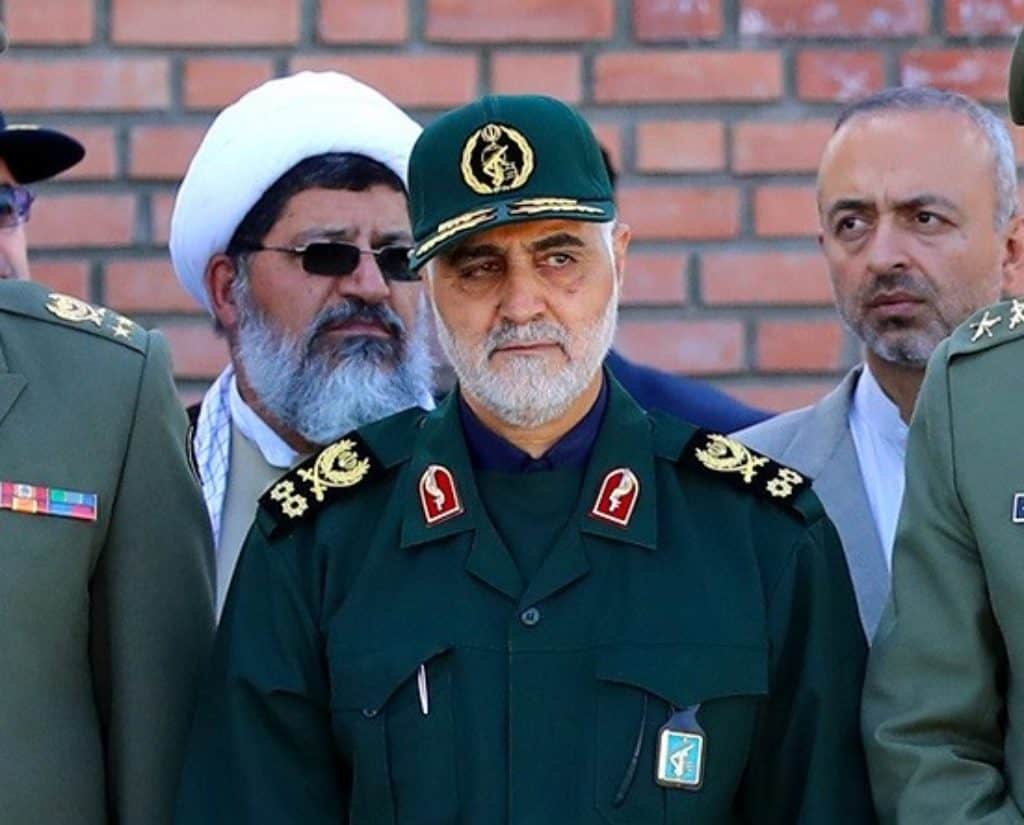
In January 2020, the U.S. killed General Qassem Soleimani in a drone strike. This was a major turning point because it was a direct attack on a top official. It changed the “rules” of the conflict, as Iran felt it had to respond more forcefully to show it wasn’t weak.
8. Rising Tensions from 2023 to 2025
By late 2025, talks reached a dead end. Iran pushed its uranium enrichment to 90%, the level needed for a nuclear weapon. This was the “red line” the U.S. and Israel had warned about for twenty years.
9. How Iran US Conflict 2026 Turned Into Direct Strikes
In February 2026, Operation Epic Fury began. These strikes were different from anything in the past. Unlike earlier cyber operations or limited sabotage, these strikes directly targeted command centers and senior leadership. This signaled that the long-standing “indirect conflict” phase had ended. For the first time, both sides crossed into open confrontation without the buffer of deniability.
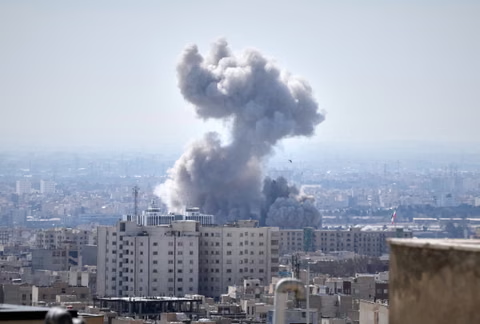
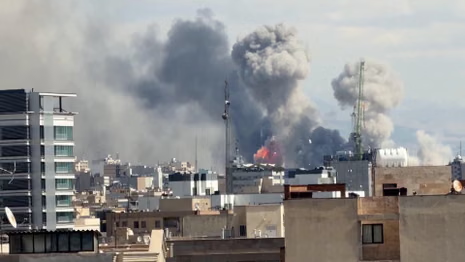
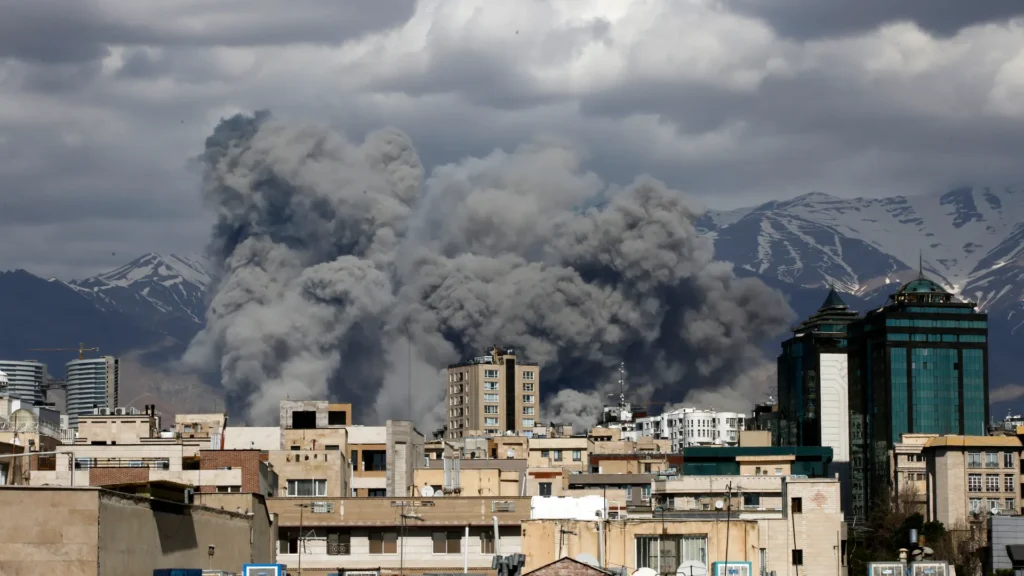
The confirmed death of Supreme Leader Ali Khamenei created a “systemic shock,” leaving the country in a state of structural instability.
| Year | Event | Impact on the Conflict |
| 2002 | Nuclear Secret Revealed | Secret sites at Natanz are exposed. The conflict shifts into a global crisis over nuclear weapons. |
| 2003 | U.S. Invasion of Iraq | Removal of Saddam Hussein allows Iran to expand its influence (“land bridge”) across the Middle East. |
| 2010–2012 | Heavy Sanctions | Global “Maximum Pressure” begins. Iran responds by accelerating uranium enrichment. |
| 2015 | The Nuclear Deal (JCPOA) | Iran limits nuclear work for sanctions relief. “Breakout time” is successfully extended to one year. |
| 2018 | U.S. Withdrawal | The U.S. leaves the nuclear deal. Iran restarts high-level enrichment and regional resistance. |
| 2020 | Soleimani Killing | U.S. drone strike kills Iran’s top general. Conflict moves from “shadow” to more direct confrontation. |
| 2023–2025 | Diplomatic Deadlock | Talks in Oman and Geneva fail. Iran reaches 90% uranium enrichment (weapons-grade). |
| 2026 | The Tehran Strikes | Operation Epic Fury targets Iranian leadership and nuclear sites. The 70-year conflict enters an open, direct phase. |
🔎 Want to Understand the Full 2026 Crisis?
If you want a detailed breakdown of how the 2026 Tehran strikes unfolded and what they mean for regional stability, click here to read our full analysis of the 2026 Tehran Strikes and regional escalation.
10. What This 70-Year Conflict Teaches Us
The history of the U.S.–Iran conflict shows that when two powers stop talking and rely solely on pressure, they eventually run out of room to move. Every “win” for one side—like the 1953 coup—created a resentment that fueled the next fifty years of friction.
The 2026 strikes may have changed the military balance, but they did not erase seventy years of distrust. Until the deeper historical grievances are addressed, pressure alone is unlikely to create lasting stability. The future of this relationship will depend not just on weapons or sanctions, but on whether both sides can move beyond the cycle that began in 1953.
Click here to Read: Iran–US Conflict History Explained (1953–2002): From Coup to Shadow War
Table of Contents
Frequently Asked Questions
Why is Iran’s nuclear program such a major issue?
The main concern is whether Iran could quickly build a nuclear weapon. Even if Iran claims peaceful use, reducing the “breakout time” increases fears that a bomb could be produced rapidly, which raises the risk of military action.
What does “nuclear breakout time” mean?
Nuclear breakout time refers to how long it would take Iran to produce enough enriched uranium for one nuclear weapon if it chose to do so. A longer breakout time gives more time for diplomacy. A shorter breakout time increases tension.
Did sanctions work against Iran?
Sanctions severely damaged Iran’s economy but did not collapse the government. Instead, Iran adapted by building domestic production and strengthening trade ties with countries like China and Russia.
Why was Soleimani’s killing important?
The killing of General Qassem Soleimani in 2020 was a direct strike on a senior Iranian military leader. It changed the conflict from indirect pressure to more direct confrontation, increasing the risk of open war.
What caused the 2026 Tehran strikes?
The strikes followed reports that Iran had enriched uranium to near weapons-grade levels. Combined with years of failed diplomacy and rising regional tension, this pushed the U.S. and Israel to launch direct military action.
Is the conflict only about governments?
No. There is an important difference between the Iranian government and the Iranian people. Many Iranian citizens have protested for economic reform and political change, even while tensions with the U.S. continued.